
Digital Workflows for Orthodontics
In the ever-evolving world of orthodontics, the shift towards digital workflows is not just a trend—it’s a revolution. Digital workflows for orthodontics are reshaping traditional bracket treatment processes, melding speed, accuracy, and convenience in ways that were previously unimaginable. Traditional methods often fell short, plagued by lengthy chair times, repetitive adjustments, and the constant worry of breakages and repositioning appointments. Patients and practitioners alike grappled with inefficiencies that could lead to dissatisfaction and delayed results.
However, with the advent of digital solutions, these challenges are rapidly being overcome. Imagine a world where treatment times are cut from an average of 26 months to just 14 months, as evidenced by the implementation of advanced digital workflows. These innovations not only streamline processes but also enhance the predictability of treatment outcomes, providing a more positive experience for patients and orthodontists.
From AI-driven monitoring and digital indirect bonding to the introduction of 3D-printed brackets, the integration of technology in orthodontics translates to less chairside time and less hassle for everyone involved. By addressing buyer pain points, such as the cumbersome nature of traditional bracket placement, digital workflows are indeed changing the future of orthodontic care. This article will delve deeper into how these technologies are optimizing bracket treatment, making it not only faster but also smarter and more effective.
About Dark Horse Dental Store: Clinics in Iraq, Baghdad can source everyday orthodontic essentials through Dark Horse Dental Store—explore our orthodontics collection, bonding accessories like bands and wedges, and chairside equipment and instruments to support digital workflows end to end.
Frame the Problem
Despite advancements in orthodontics, traditional bracket treatment methods present significant challenges that clinics struggle with. One of the most pressing issues is the elongation of treatment times. Average orthodontic treatment can stretch beyond 26 months, creating frustration for both patients and practitioners. The lengthy duration not only tests patience but also can hinder patient compliance, ultimately affecting treatment outcomes.
In addition to extended treatment timelines, clinics frequently encounter breakages of brackets and wires—the kinds of components you will find inside a modern orthodontics collection—resulting in additional appointments for repairs. These situations exacerbate the inefficiencies associated with manual processes, drawing attention away from other critical tasks. The risk of breakages can overwhelm staff schedules, leading to a bottleneck effect where time that should be dedicated to patient care is instead spent managing repairs and repositioning appointments.
Moreover, the inefficiency generated by manual processes in traditional orthodontic practices often manifests as labor-intensive workflows. Orthodontists find themselves bogged down with repetitive tasks rather than focusing on patient interactions and treatment planning. This not only reduces the overall quality of care but can also contribute to burnout among the clinic staff.
Transitioning to digital workflows for orthodontics tackles these pain points head-on. By incorporating technologies like digital indirect bonding and AI-driven monitoring, clinics can significantly reduce treatment times and minimize breakages. With streamlined processes that bolster efficiency, digital workflows transform traditional methods into a more productive, effective system. For reliable chairside supplies that complement these protocols, clinics in Iraq can source bonding accessories such as bands and wedges from Dark Horse Dental Store. Ultimately, the integration of these innovations stands to not only improve treatment outcomes but also enhance patient satisfaction and the overall clinic experience.
Evidence of Digital Workflows in Orthodontics
The transition to digital workflows in orthodontics has garnered substantial evidence supporting its effectiveness, particularly in enhancing efficiency and patient satisfaction. Informed by insights from industry leaders, it becomes clear how these innovative practices are transforming bracket treatment.
Tara Gostovich, an influential figure in orthodontics, emphasizes the transformative nature of adopting a fully digital workflow. Her statement, “I made a complete transformation to an all-digital workflow because it took the place of staff,” speaks volumes about the operational benefits. Digital workflows streamline several processes, reducing the reliance on manual tasks that can drain resources and detract from patient care. By minimizing staffing needs while maintaining a high standard of service, practices can operate more efficiently.
Moreover, Barry Benton highlights another critical aspect of these workflows—efficiency in design and setup. He remarks, “What used to take a half-millimeter bend over once a month for 3 to 6 months … all that is taken care of in the design [setup].” This statement captures the essence of digital workflow benefits: decreased complexity and time required for adjustments. With precise designs and advanced algorithms, orthodontists can achieve desired outcomes more reliably, which reduces the need for time-consuming tweaks during treatment.
Further empirical evidence supports these expert insights. Statistics showcase a drastic reduction in treatment times, plummeting from an average of 26 months to just 14 months when utilizing digital workflows for orthodontics. This reduction represents more than just a timeline – it correlates directly with improved patient satisfaction through faster results. Additionally, the integration of digital bonding techniques has slashed chairside time to under 15 minutes, allowing for a more streamlined patient experience.
Clinics also report reduced breakages and fewer necessary repositioning appointments, underscoring the reliability of digital systems. Beyond mere convenience, these innovations promote a culture of efficiency, allowing orthodontists to dedicate their attention to personalized treatment strategies rather than operational hassles. For clinics in Iraq, Baghdad, Dark Horse Dental Store supports digital setups with ready-to-ship orthodontics supplies and chairside equipment that fit smoothly into modern workflows.
Ultimately, evidence continues to gather around the benefits of digital workflows in orthodontics. The combination of improved efficiency, enhanced patient satisfaction, and reduced workloads for staff positions digital orthodontics as an essential evolution, setting the stage for future advancements in the field.
Statistics on Treatment Time Reduction
- Treatment times have significantly decreased, reducing from an average of 26 months to just 14 months when utilizing digital systems. This is backed by a study published in Orthodontic Products, which stated that cases using LightForce technology were completed in an average of 9.2 visits. source
- A recent clinical trial comparing digital indirect bonding techniques with conventional methods found that digital processes reduced chair time while providing superior accuracy, leading to more efficient treatment outcomes. source
- Furthermore, it was documented that digital workflows not only streamline treatment but also reduce chairside time for patients to under 15 minutes, making the orthodontic experience more pleasant and less time-consuming.
Improved Patient Satisfaction
Patient experiences have shown marked improvement as well. Research in Applied Sciences highlighted that digital methods yielded higher satisfaction ratings from patients due to shorter treatment times and greater comfort during procedures. source
- The integration of AI-powered monitoring tools has facilitated a reduction in necessary appointment visits, thereby increasing patient engagement and reducing the number of breakages reported. A retrospective analysis indicated significant efficiency gains, saving 451 chairtime hours in 2024, which translates to nearly 57 workdays without compromising care quality. source
Product Use-Cases in Digital Orthodontic Workflows
Digital workflows have revolutionized orthodontics through products like Damon Ultima and Spark Approver, which enhance precision and efficiency in traditional practices. Here are specific scenarios demonstrating their application and benefits in orthodontic treatment:
1. Streamlined Workflow with Ormco Digital Bonding and Damon Ultima
The Ormco Digital Bonding (ODB) system combines Damon Ultima brackets with Spark Approver Software, significantly enhancing orthodontic workflows. This integration allows for precise bracket placement and customized bracket positioning, increasing treatment precision. Features include a unified case submission portal for both ODB and Spark Clear Aligner cases, alongside a digital treatment planning interface. The design of Damon Ultima brackets helps provide orthodontists with control over rotation, angulation, and torque, thus leading to faster and more accurate finishing. For more information, visit Ormco Digital Bonding.
2. Efficiency Gains with Damon Ultima System
A clinical case involving a 12-year-old female patient with misaligned teeth utilized the Damon Ultima System, which successfully improved treatment efficiency. This system features a round-sided rectangular wire and parallelogram-shaped slot, significantly reducing the number of wire bends needed. This not only minimized appointment frequency but also expedited treatment times, enhancing patient experience. Learn more by checking out Merging Precision and Efficiency for Indirect Bonding.
3. Integration of Spark Aligners in Complex Cases
Spark Aligners were employed in the treatment of a 54-year-old patient suffering from an anterior open bite and Class III occlusion. Using Spark Approver Software allowed for detailed treatment planning, including needed movements for complex cases. The treatment involved 31 aligners over 7.75 months, requiring only five appointments, leading to significant improvements in both smile and occlusion. For additional details, refer to Dental News – A new era in orthodontics presents exceptional opportunity.
4. Enhanced Precision and Reduced Chairside Time
The combination of Ormco Digital Bonding with Damon Ultima brackets offers a novel approach to bracket positioning. Utilizing custom jigs ensures stable and accurate bonding, achieving precision within ±0.2 mm. This technological approach significantly improves treatment outcomes and reduces chairside time, leading to a more efficient patient experience. To understand more about this, revisit Merging Precision and Efficiency for Indirect Bonding.
Shop the essentials for digital orthodontics in Iraq, Baghdad: browse orthodontics supplies, chairside bands and wedges, and core equipment and instruments from Dark Horse Dental Store.

Image Description
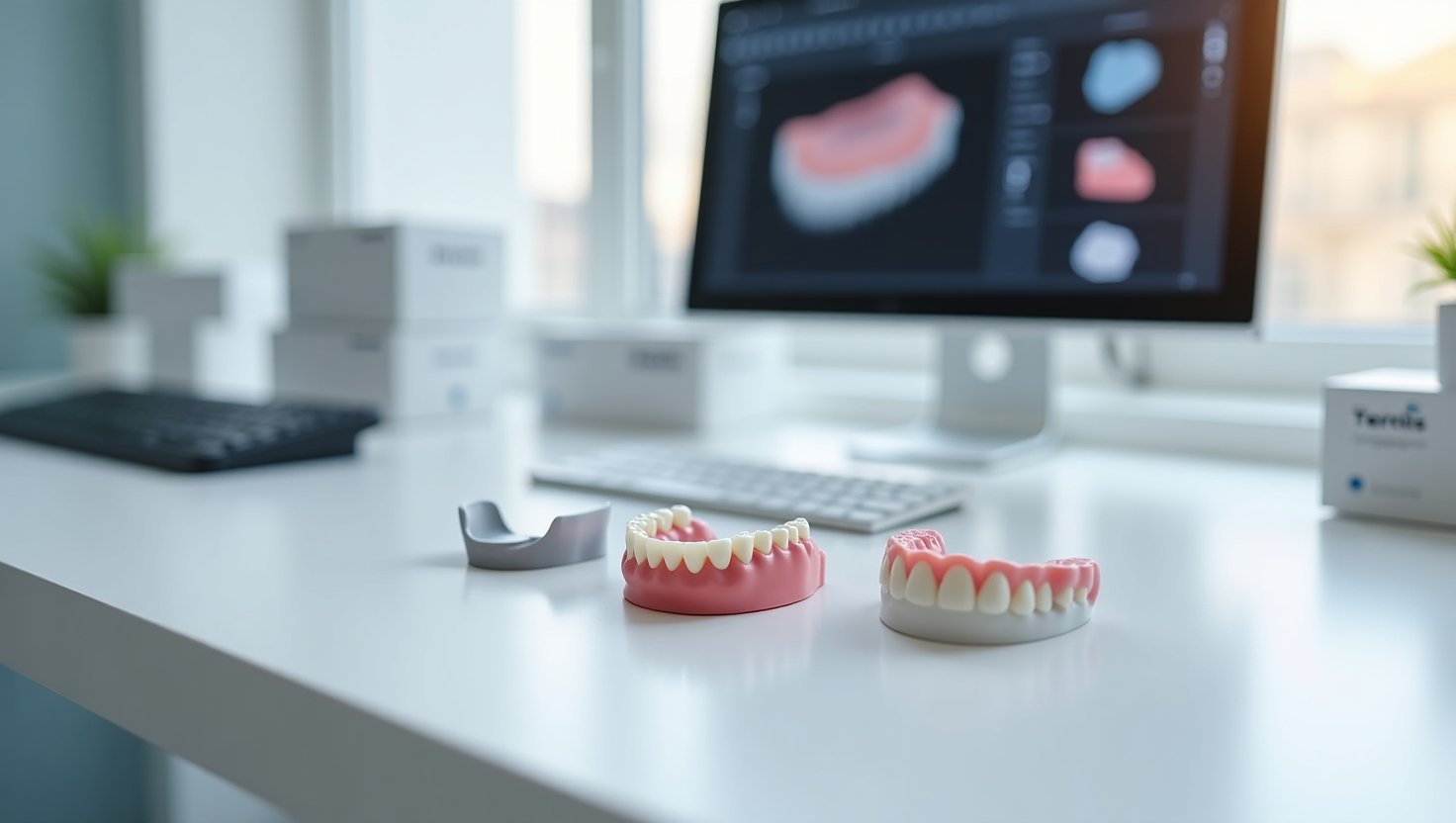
A clinical setting showing orthodontists utilizing digital equipment such as scanners and advanced aligner systems specifically designed for orthodontic treatment, showcasing innovation and technology in the orthodontic field.
| Indication | Key Features | Handling | Price Band | Internal Links |
|---|---|---|---|---|
| Traditional Bracket Systems | Manual placement, longer chair time, high breakage rates | Labor-intensive, requires multiple appointments | $200 – $500 per case | Shop Orthodontics at Dark Horse Dental Store |
| Digital Workflows | Digital indirect bonding, real-time tracking, reduced chair time | Automated, efficient, fewer appointments | $300 – $1500 per case | Orthodontics, Bands & Wedges, Equipment |

Implementation Tips for Digital Workflows in Orthodontics
- Invest in Quality Equipment
Ensure that your practice has up-to-date technology, including advanced scanners, imaging systems, and bonding materials that facilitate digital workflows. For core clinic hardware in Iraq, explore equipment and instruments available from Dark Horse Dental Store. - Establish Storage Solutions
Digital data requires robust storage options. Utilize cloud-based storage for secure backup, easy access, and seamless sharing of treatment plans and patient data. Ensure compliance with privacy regulations to safeguard patient information. - Implement Effective Sterilization Protocols
Digital workflow integration doesn’t negate the need for sterile equipment handling. Maintain strict sterilization protocols for tools used in digital bonding processes, ensuring both patient safety and regulatory compliance. Shop sterilization supplies and everyday disposables to standardize infection control. - Provide Comprehensive Staff Training
Invest time in training all staff members on new technology and processes. Create training sessions that cover the use of digital scanning devices, software for treatment planning, and patient interaction during digital procedures. Continuous education is vital for confidence and competence. - Encourage Feedback and Adaptability
Foster an environment where staff can share their experiences with new systems. Regularly gathering feedback can help identify potential challenges or areas for improvement, allowing for timely adjustments. - Monitor Performance and Outcomes
Track the outcomes of treatments conducted through digital workflows. Analyze metrics such as treatment times, breakage rates, and patient satisfaction. This data will not only demonstrate the effectiveness of digital systems but also highlight areas needing further refinement. - Communicate with Patients
Educate patients about the benefits of digital workflows. Clear communication about how these advancements will improve their experience can enhance satisfaction and engagement with their treatment plans.
Frequently Asked Questions about Digital Workflows in Orthodontics
1. How does digital orthodontics impact treatment time?
Digital workflows can significantly reduce treatment durations. For instance, integrating 3D digital treatment planning has been shown to decrease surgical orthodontic treatment times by over 12 months, reducing the average duration from 30 months to approximately 18 months. More information on this can be found at Orthopracticeus.
2. What are the cost implications of adopting digital orthodontic technologies?
The initial investment in digital technologies can be substantial, but the long-term benefits often outweigh costs. Digital workflows can lead to labor cost reductions of up to 30% and increase workflow capacity by nearly 50%, making the return on investment increasingly favorable. For further insights, refer to Jelvix.
3. What steps are involved in transitioning to a digital orthodontic workflow?
Transitioning involves several key steps:
- Assessment and Planning: Evaluate current workflows and identify areas for enhancement.
- Investment in Technology: Acquire essential digital tools like intraoral scanners and 3D printers.
- Training and Education: Train all staff members on new technologies.
- Implementation and Integration: Gradually introduce digital tools, ensuring seamless integration.
- Continuous Evaluation: Regularly assess the effectiveness of the digital workflows Orthodontic Products.
4. What challenges might arise during the transition to digital workflows?
Challenges may include the high upfront costs, a learning curve with new technologies, and interruptions during transition. However, effective planning and staff training can help alleviate these issues. For more information, visit Align3D.
5. Which supplies support digital orthodontic workflows in Iraq, Baghdad?
For brackets, wires, bonding accessories, disposables, and essential chairside tools that support digital protocols, shop the orthodontics collection, bands and wedges, and equipment & instruments at Dark Horse Dental Store.
Product Spotlight: Essentials for Digital-Ortho Clinics
- Lidocaine 2% (French) — Anesthetics
- Inno Flow Resin A2 — Composites
- GNI Band Cement — Cements & Bonding
- One-Fil Bioceramic Sealer — Endodontics
- Dynamic Plus Composite A2 A1 A3 — Composites
- X-Ray Film — X-Ray & Imaging
- Endodontic Rotary Motor (Apple dent) — Endodontics
- WISMED ANGEL Handpiece — Equipment & Instruments
- Rogin Turbine — Equipment & Instruments
- Dental Elevator Kit (7 pcs) — Equipment & Instruments
- Eugenol — Cements & Bonding
Shop by Category
- Orthodontics: Brackets, wires, bands, cement
- Cements & Bonding: Bands & wedges · Eugenol
- Equipment & Instruments: Clinic hardware · Low-Speed Handpiece · Apple Dental LED Turbine · WISMED Handpiece · Rogin Turbine · Retractor · Dental Elevator Kit · Crown Remover
- Composites: Composite
- Endodontics: Files · Gutta-percha & Paper Points · Root Canal Treatment
- Anesthetics: Lidocaine, syringes & needles
- X-Ray & Imaging: X-Ray Film
- Disposables & Infection Control: Disposables · Sterilization
- Amalgam & Restoratives: Amalgam
Conclusion
The integration of digital workflows into orthodontics represents a profound transformation in bracket treatment. This new paradigm significantly enhances efficiency, cutting average treatment times from 26 months to just 14 months. These efficiencies lead to less chairside time for patients and a decrease in the number of breakages and repositioning appointments, ultimately fortifying patient satisfaction and clinic productivity.
Moreover, innovations such as digital indirect bonding and AI-driven monitoring allow for precision and customization that were previously unattainable, inviting a more comfortable experience for patients. As highlighted by industry leaders, the shift towards a fully digital workflow not only refines operational efficiency but also reallocates vital resources towards improving patient care. As you explore the potential of these digital workflows, consider complementing your protocols with dependable supplies. Clinics in Iraq, Baghdad can shop orthodontics essentials and chairside equipment and instruments from Dark Horse Dental Store to keep treatments moving efficiently and predictably.
Upgrade Your Orthodontic Workflow with Dark Horse Dental Store
- Orthodontics collection: brackets, wires, and accessories → Shop Orthodontics
- Bonding accessories: bands and wedges for precise placement → Bands & Wedges
- Equipment & instruments: handpieces, turbines, and clinical hardware → Equipment & Instruments
- X-Ray & Imaging: confirm progress with reliable films → X-Ray Film
- Infection control: keep every appointment safe and efficient → Sterilization · Disposables
Related Keywords
Dental supplies Iraq, Dental equipment Baghdad, Orthodontics Iraq, Endodontics Baghdad, Dental composites Iraq, Dental anesthetics Baghdad, Root canal treatment Iraq, Teeth whitening Baghdad — مستلزمات طب الأسنان، أدوات طب الأسنان، تقويم الأسنان، علاج الجذور، تبييض الأسنان، المعقمات، أدوات جراحية، بنج الأسنان