
In the realm of dentistry, effective infection control is not just a regulatory requirement; it is a moral obligation. The integrity of dental practices heavily hinges on ensuring that patients are not inadvertently exposed to harmful contaminants through dental unit waterlines. Dentistry waterline testing has emerged as a pivotal strategy in mitigating the risks associated with such exposure, safeguarding patient health and enhancing overall safety in dental care.
With growing concerns regarding water quality in dental settings, implementing rigorous testing protocols is essential. Contaminants can lead to serious infections, affecting patient outcomes and undermining the trust placed in dental professionals. Here is where FASTCheck15 shines as a key solution. This innovative testing tool offers real-time insights into the safety of dental waterlines, providing practitioners with the ability to detect bacterial levels exceeding 500 CFU/mL in just 15 minutes. This rapid response capability empowers dental teams to act swiftly, ensuring immediate corrective measures are taken to maintain water quality standards.
In this article, we will explore the significance of waterline testing in dental practices, delve into the features and benefits of FASTCheck15, and discuss how its integration can significantly enhance patient safety. Join us as we uncover the importance of proactive monitoring in the ever-evolving landscape of dental infection control.
Frame the Problem
Bacterial contamination in dental waterlines poses significant health risks to patients. These waterlines, when not properly monitored, can harbor dangerous levels of bacteria, leading to potential infections during dental procedures. The OSAP guidelines emphasize the importance of maintaining safe water quality by recommending that dental waterlines be monitored monthly. This is critical for ensuring that bacterial levels remain within acceptable limits and do not compromise patient safety.
A notable solution to this problem is the FASTCheck15, an advanced testing tool capable of detecting bacterial levels over 500 CFU/mL in just 15 minutes. This rapid detection allows dental practices to quickly assess the safety of their waterlines, ensuring that immediate corrective measures can be implemented when necessary. By integrating such tools into their routine hygiene protocols, dental professionals can actively manage and mitigate the risks associated with bacterial contamination.
Moreover, the regular monitoring of waterlines is not just a recommendation but a necessity. The presence of high bacterial counts can signal underlying issues that require prompt attention, potentially averting more severe health complications for patients. Therefore, it is crucial for dental practices to prioritize waterline safety, employing tools like FASTCheck15 to uphold the standards of infection control and safeguard patient health.
Frame the Problem
Bacterial contamination in dental waterlines presents significant health risks for patients undergoing dental procedures. When these waterlines are not routinely monitored, they can accumulate dangerous levels of bacteria, resulting in serious infections and compromised patient safety. According to OSAP guidelines, it is essential for dental practices to engage in monthly monitoring of water quality in order to uphold health standards. This proactive measure shields patients from potential health hazards linked to contaminated water.
A notable tool that addresses this issue is FASTCheck15, a cutting-edge testing solution that can identify bacterial levels exceeding 500 CFU/mL within just 15 minutes. The speed at which FASTCheck15 delivers results empowers dental teams to ascertain the safety of their waterlines quickly and initiate immediate corrective actions when bacterial contamination is detected. By integrating such innovative solutions into their hygiene protocols, dental professionals can effectively manage and reduce risks associated with waterline contamination.
Furthermore, the necessity for regular monitoring goes beyond mere compliance; it is a vital component of patient health management. High bacterial counts can indicate underlying problems that necessitate urgent attention, potentially preventing more severe health complications down the line. Therefore, prioritizing waterline safety with tools like FASTCheck15 becomes crucial in fostering a culture of health and safety within dental practices, ensuring adherence to infection control standards, and ultimately safeguarding patient health.
Evidence of Effectiveness of FASTCheck15 in Quality Assurance for Dental Practices
FASTCheck15 has emerged as a pivotal tool in the quest for quality assurance within dental practices, particularly in the monitoring of dental waterlines. As an in-office testing kit designed to rapidly evaluate bacterial contamination, it plays a crucial role in ensuring patient safety. The ability of FASTCheck15 to detect bacterial levels exceeding 500 CFU/mL in just 15 minutes significantly enhances the responsiveness of dental teams to potential health hazards.
According to a study from Inside Dentistry, implementing FASTCheck15 allows dental professionals to rapidly test water quality and comply with established guidelines set forth by the CDC and EPA regarding acceptable bacterial levels. This timely approach complements traditional mail-in lab testing protocols, providing a user-friendly, efficient means of ensuring water quality before dental procedures commence.
Incorporating FASTCheck15 into routine waterline monitoring strategies aligns with the principles of comprehensive infection control. Leading dental professional Marie T. Fluent, DDS, CDIPC, FACD, has commented that FASTCheck15 may be viewed as a screening tool, quality improvement measure, and an essential component of a comprehensive waterline protocol. This integration supports ongoing efforts to improve patient safety, indicating that practices employing FASTCheck15 ultimately deliver safer water for routine dental care and compliance with regulatory expectations.
Additionally, although clinical data specifically evaluating FASTCheck15’s impact on patient outcomes is still being developed, systematic reviews underscore the importance of structured safety initiatives in dental practices. According to a review published by BMC Oral Health, various safety interventions—including checklists and reporting systems—have been shown to enhance patient safety significantly.
The rapid assessment capabilities of FASTCheck15 not only help in satisfying the monthly waterline monitoring requirements recommended by the OSAP but also foster a culture of safety and accountability in dental clinics. As stated, when incorporated into a comprehensive waterline program, FASTCheck15 will ultimately lead dental teams to provide safe water for routine dental care, highlighting its necessity in modern dental practice. Health issues arising from bacterial contamination can be effectively mitigated with tools such as FASTCheck15, which emphasize proactive rather than reactive measures in patient safety management.
Evidence of Effectiveness of FASTCheck15 in Quality Assurance for Dental Practices
FASTCheck15 has emerged as a pivotal tool in the quest for quality assurance within dental practices, particularly in the monitoring of dental waterlines. Designed for in-office use, it not only expedites the testing process but effectively ensures patient safety by quantifying bacterial contamination. The ability of FASTCheck15 to detect bacterial levels exceeding 500 CFU/mL in just 15 minutes significantly enhances the responsiveness of dental teams to potential health hazards.
According to Dentistry Today, the FASTCheck15 delivers accurate results swiftly, allowing practitioners to take immediate action if necessary. Its user-friendly design features an easy-to-read test strip, which simplifies the assessment process. Priced at about half the cost of paddle tests and a fraction of lab tests, FASTCheck15 removes financial barriers to regular testing, facilitating widespread adoption across dental practices.
Marie T. Fluent, DDS, CDIPC, FACD, states that “FASTCheck15 may be viewed as a screening tool, quality improvement measure, and an essential component of a comprehensive waterline protocol.” This reflects the significance of integrating FASTCheck15 into regular monitoring routines, highlighting its role in maintaining compliance with health standards set by the CDC and EPA regarding acceptable bacterial levels in dental unit waterlines.
Supporting its effectiveness, Dr. Preston Ford of High Point Dental Partners emphasizes the importance of waterline testing, indicating that incorporating FASTCheck15 bolsters confidence in water quality assurance practices. He notes that “using an EPA-certified laboratory ensures reliability and accuracy,” making the combination of laboratory testing and in-office rapid tests like FASTCheck15 vital for achieving rigorous safety protocols.
Evidence of the need for robust waterline testing protocols was emphasized by a CDC alert regarding incidents of nontuberculous Mycobacteria infections in children treated in dental clinics. This health alert illustrated the real-world implications of inadequate waterline monitoring, reinforcing the critical need for dental practices to adhere to the monitoring recommendations set forth by the CDC and infection control bodies. According to the ADA, consistent maintenance and monitoring of dental waterlines are essential to preventing such complications, underlining the importance of effective tools like FASTCheck15 in supporting these efforts.
The rapid assessment capabilities of FASTCheck15 not only help satisfy the monthly waterline monitoring requirements recommended by the Organization for Safety, Asepsis and Prevention (OSAP) but also foster a culture of safety and accountability in dental clinics. In conclusion, by incorporating FASTCheck15 into a comprehensive waterline management program, dental teams can provide safe water for routine care, emphasizing proactive rather than reactive measures in patient safety management.
Specific Use-Cases for Integrating FASTCheck15 in Dental Waterline Testing Programs
Integrating FASTCheck15 into a dental clinic’s waterline testing program can significantly enhance patient safety and promote quality assurance in daily operations. Here are several specific use-cases illustrating its value:
-
Routine Monitoring and Immediate Feedback
FastCheck15 provides dental teams with the capability to conduct routine checks on waterlines. Performing tests before each day’s procedures can ensure that water quality meets safety standards, thereby giving practitioners immediate feedback on potential bacterial contamination. This proactive approach allows clinics to respond swiftly to any contamination issues, ensuring patient safety.
-
Compliance with Health Standards
With healthcare regulations enforcing stringent hygiene controls, FASTCheck15 aids clinics in adhering to guidelines set forth by organizations like OSAP and the CDC. By utilizing this tool, dental practices can demonstrate compliance with monthly water quality monitoring requirements, thereby minimizing legal and regulatory risks associated with bacterial contamination.
-
Emergency Testing during Outbreaks
In the event of a reported infection possibly linked to dental procedures, FASTCheck15 can be deployed for emergency testing of waterlines. Rapid detection will help determine if contaminated water is a contributing factor to the outbreak, allowing clinics to take immediate actions, such as suspending procedures or rectifying waterline issues while maintaining patient care protocols.
-
Quality Control Assurance
FASTCheck15 functions as an integral part of a quality control framework within dental practices. Staff can be trained to utilize the kit effectively, promoting a culture of safety and systematic quality management. Regular testing encourages accountability among team members, enhancing the clinic’s overall quality control procedures.
-
Educational Tool for Dental Professionals
Integrating FASTCheck15 into training sessions for new staff provides a practical learning opportunity regarding infection control practices. Demonstrating its operation and highlighting the implications of bacterial testing on patient health can reinforce the importance of stringent infection control within the clinic’s ethos.
-
Data Collection and Trend Analysis
By regularly conducting tests and recording results, dental practices can track waterline contamination trends over time. Data collected through FASTCheck15 can facilitate evidence-based discussions in meetings, helping staff understand recurring issues and developing strategies to mitigate them.
-
Increased Patient Confidence
Patients today are more informed about health and safety standards in dental care. By visibly demonstrating the use of FASTCheck15 and keeping them informed about safety practices, clinics can enhance patient confidence, ensuring them that their health is a top priority. This open communication can lead to higher patient satisfaction and potentially increased referrals.
Through these use-cases, it becomes evident that the incorporation of FASTCheck15 into a dental clinic’s waterline testing program is not just about compliance; it is fundamentally about enhancing patient safety and fostering a conscientious approach to quality assurance in daily operations. This tool enables dental professionals to consistently provide a safe environment for their patients, ultimately making a profound impact on public health outcomes.
| Testing Method | Detection Time | Features | Price Band |
|---|---|---|---|
| FASTCheck15™ by Sterisil | 15 minutes |
|
Approximately $74.75 for 6 test kits source |
| Sterisil® R2A with FASTRead™ | 5-7 days (24-hour early notification) |
|
4 Vials: $178.99 6 Vials: $224.99 source |
| StandardCheck™ by Agenics Labs | 5-7 days |
|
4-pack: $139.99 6-pack: $173.99 source |
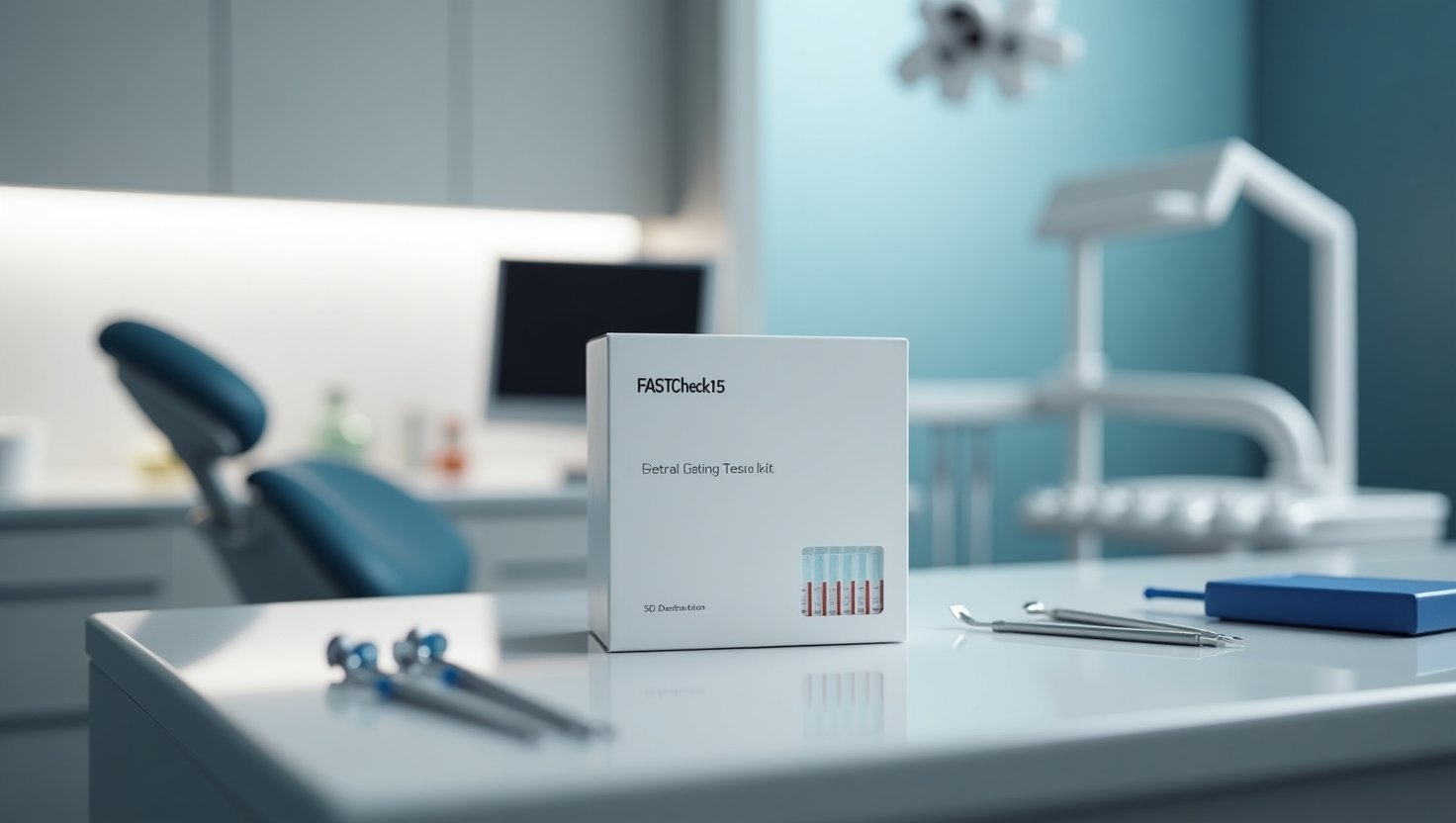
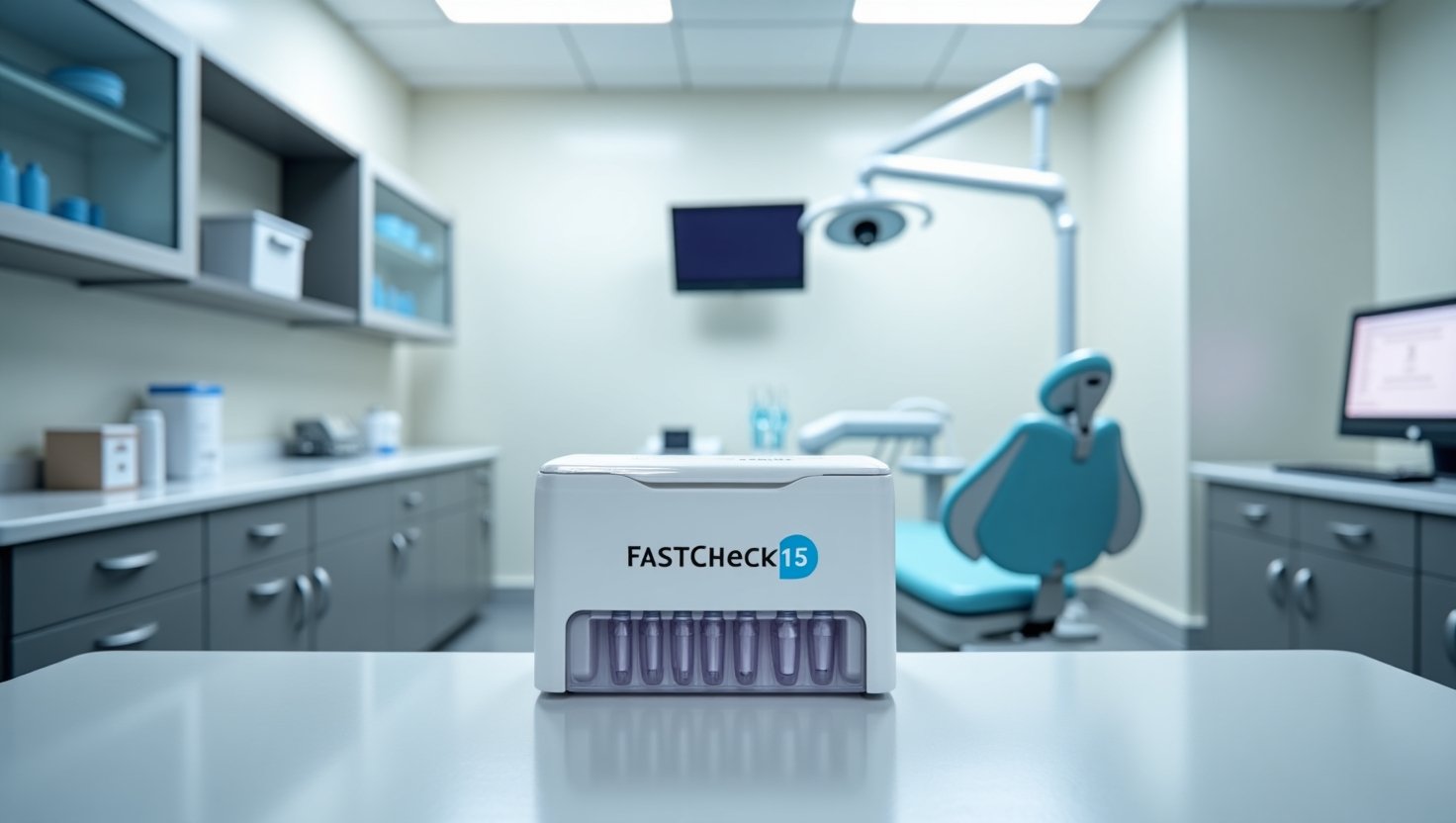
Implementation Tips for Using FASTCheck15 in Dental Clinics
Implementing the FASTCheck15 testing system in dental clinics requires careful consideration of storage practices, handling procedures, and regulatory compliance. Below are practical tips to ensure effective use of this critical tool in maintaining waterline safety:
1. Storage Practices
- Temperature Control: Store FASTCheck15 kits at the recommended temperature, typically between 2°C and 30°C (36°F to 86°F). Avoid exposure to extreme temperatures, including direct sunlight. Check the manufacturer instructions for specific guidance.
- Humidity Management: Keep the kits in a dry environment. High humidity can affect the test components and integrity of the assays. Use desiccants or store in a climate-controlled space if necessary.
- Secure Location: Store FASTCheck15 away from your regular dental supplies to avoid cross-contamination. Keep it in a designated area that is organized and easily accessible, ensuring that staff can quickly retrieve the kit when needed.
- Expiration Dates: Regularly check the expiration dates on the kits and replace any expired products promptly to ensure accurate testing.
2. Handling Procedures
- Use of Personal Protective Equipment (PPE): Ensure that dental staff wear appropriate PPE (gloves, masks, etc.) when handling the FASTCheck15 kits to prevent contamination and ensure safety.
- Follow Instructions: Make sure that all personnel using the FASTCheck15 are trained and fully understand the test protocols. Follow the manufacturer’s instructions meticulously for sample collection and analysis procedures to ensure accurate results.
- Sample Collection: Instruct staff on the proper technique for collecting water samples from dental unit waterlines. Proper technique is essential to prevent contamination of both the samples and the testing kits.
- Test Environment: Conduct the tests in a clean and controlled environment, free from air movement or other disruptions that could affect the outcomes of the tests.
3. Regulatory Compliance
- Notification of Testing Results: Ensure that all testing results are documented thoroughly. This documentation is vital for both internal records and for compliance with health standards.
- Install Protocols: Develop clear protocols for action based on various test results, including what steps to take if bacterial levels exceed the specified limits. This should include immediate corrective actions, such as purging waterlines and further testing.
- Staff Training: Regularly train staff on compliance requirements as dictated by organizations like the OSAP and CDC. This training should emphasize the importance of regular monitoring and the role of FASTCheck15 in ensuring compliance with safety standards.
- Periodic Review: Conduct routine audits of waterline testing procedures and results. Engage staff in discussions about compliance, highlight any areas for improvement, and adjust protocols as needed based on the latest standards and best practices.
By following these tips, dental practices can effectively implement FASTCheck15 into their waterline monitoring programs, resulting in enhanced safety for patients and improved adherence to quality assurance standards in infection control.
Frequently Asked Questions (FAQ) about Dentistry Waterline Testing
What is dentistry waterline testing?
Dentistry waterline testing involves evaluating the water used in dental units to ensure it meets safety standards. This testing is essential for preventing bacterial contamination that can pose health risks to patients during dental procedures.
Why is waterline testing important in dental practices?
Waterline testing is crucial as untreated dental unit waterlines can harbor harmful bacteria. Regular testing helps detect contamination early, ensuring the safety and health of patients receiving dental care. Over time, consistent monitoring helps maintain adherence to infection control protocols and enhances patient trust.
How often should dental waterlines be tested?
According to the Organization for Safety, Asepsis and Prevention (OSAP), dental waterlines should be monitored at least monthly to maintain acceptable bacterial levels and comply with health guidelines. Regular testing ensures the water quality remains safe for patient use.
How does FASTCheck15 work for waterline testing?
FASTCheck15 is a rapid testing tool designed to detect bacterial contamination in dental waterlines within 15 minutes. It provides immediate feedback, allowing dental practices to take prompt corrective actions if bacterial levels exceed the safe threshold of 500 CFU/mL, thus supporting infection control measures effectively.
What are acceptable bacterial levels in dental waterlines?
Per guidelines set forth by health organizations like the CDC and OSAP, dental unit waterlines should ideally contain fewer than 500 CFU/mL of heterotrophic bacteria for patient safety. Waterline testing tools, such as FASTCheck15, are designed to measure these levels effectively.
Can waterline testing prevent infections?
Yes, regular waterline testing plays a vital role in infection prevention by identifying potential sources of contamination early. By ensuring that water quality meets safety standards, dental practices can significantly reduce the risk of infection and complications for patients during dental treatments.
What should be done if high bacterial levels are found?
If testing reveals bacterial levels exceeding the acceptable limits, immediate corrective measures should be implemented. These may include purging the waterlines, conducting further testing, and revising maintenance protocols to prevent future contamination.
Is FASTCheck15 the only testing method available?
No, there are several testing methods available for monitoring dental waterlines, including mail-in lab tests and automated systems. However, FASTCheck15 is favored for its rapid results and ease of use, making it a practical option for many dental clinics.
Through addressing these common inquiries, we aim to enhance awareness and understanding of the importance of waterline testing in dental practices, ultimately contributing to improved patient safety and care.
Explore Our Infection Control Supplies Today!
Ensuring the safety and health of your patients begins with proper infection control protocols. Discover the benefits of using FASTCheck15 in your dental practice and learn more about other essential infection control supplies! Our range of products is designed to help you maintain high standards of hygiene and safety in your clinic.
👉 Visit our product pages to find FASTCheck15 and enhance your waterline testing procedures!
Implementing a comprehensive waterline management strategy is crucial. With tools like FASTCheck15, you can ensure that your dental practice meets the necessary health compliance standards while securing the trust and safety of your patients.
Don’t wait until it’s too late; take proactive measures to ensure the health of those who put their faith in your care. Explore our range of infection control solutions today!
Explore Our Infection Control Supplies Today!
Ensuring the safety and health of your patients begins with proper infection control protocols. Discover the benefits of using FASTCheck15 in your dental practice and learn more about other essential infection control supplies! Our range of products is designed to help you maintain high standards of hygiene and safety in your clinic.
👉 Visit our product pages to find FASTCheck15 and enhance your waterline testing procedures!
Implementing a comprehensive waterline management strategy is crucial. With tools like FASTCheck15, you can ensure that your dental practice meets the necessary health compliance standards while securing the trust and safety of your patients.
Don’t wait until it’s too late; take proactive measures to ensure the health of those who put their faith in your care. Explore our range of infection control solutions today!
Review Highlights on FASTCheck15 and Dental Waterline Testing
The article presents a thorough discussion on FASTCheck15 and its relevance in dental waterline testing. Several enhancements can be made to ensure coherence, flow, and optimal readability while reinforcing SEO best practices. Below are the review highlights:
- Strengthening the Introduction: The introduction effectively establishes the importance of dental waterline safety. However, a clearer transition could be implemented to enhance the flow into the first main point. Adding specific statistics regarding bacterial contamination could strengthen the urgency of the message.
- Keyword Density: Keywords such as dentistry waterline testing, infection control, and quality assurance are well distributed; however, a keyword density of 1-2% per important keyword can enhance SEO without compromising readability. Analyze the ratio of these keywords relative to the total word count, adjusting where necessary to avoid keyword stuffing.
- Transitions Between Sections: Ensure smoother transitions between sections by using phrases that connect one idea to the next, like “Building on this point…” or “This leads us to consider…” This strategy will help in guiding readers through the arguments more effectively.
- Implementation Tips & CTA: The implementation tips section is well-structured but could benefit from bullet points for clarity and quicker reading. The call to action (CTA) is motivating but could be tied back explicitly to the earlier sections to reinforce why FASTCheck15 is a vital tool.
- FAQs: The FAQs are comprehensive and cover essential questions. Incorporating direct links to studies or guidelines within the answers adds credibility. For instances, citing respective studies or official guidelines directly when discussing bacterial levels will strengthen claims.
- Final Structure and Consistency: Ensure that the tone remains uniformly professional across all sections and that sections consistently reflect the primary message about patient safety and effective infection control.
By implementing these suggestions, the article can achieve a more cohesive and engaging narrative that not only educates but also motivates dental professionals to act on waterline testing and quality assurance practices while remaining optimized for search engines.
For further reading on content coherence and keyword optimization best practices, refer to the following resources: