
Dental Anesthesia: A New Era in Pain Management
In the realm of dentistry, effective pain management is essential for ensuring patient comfort and fostering trust. Enter Dental Anesthesia, a crucial innovation that has evolved dramatically in recent years. The introduction of cutting-edge systems like the QuickSleeper5 is revolutionizing this field, bringing forth a new standard in how anesthesia is administered. Unlike conventional methods, which are often laden with anxiety due to the fear of needles and the prolonged numbness they induce, the QuickSleeper5 delivers immediate intraosseous anesthesia directly into the cancellous bone. This not only reduces collateral numbness but also enhances the overall comfort and satisfaction of patients.
Globally, millions of injections are delivered using the QuickSleeper5, a testament to its effectiveness and the credibility it has garnered within dental practices. As practitioners and patients alike experience the benefits of this advanced technology, the landscape of dental anesthesia is changing, creating an era where anxiety is significantly diminished. If you’re intrigued by how the QuickSleeper5 can enhance patient experiences while setting a new benchmark in pain management, check out the article by Dentistry Today for a deeper insight into its impact and innovation.
Problem Framing for Clinics in Dental Anesthesia
When it comes to dental anesthesia, clinics around the globe face common yet critical challenges that can significantly impact the patient experience. Traditional methods, while historically utilized, often lead to persistent issues such as patient anxiety and collateral numbness. These concerns not only affect patient comfort but can also create barriers to necessary dental procedures, driving patients to delay care, ultimately affecting their overall health and well-being.
One of the primary challenges clinics encounter is managing patient anxiety. The fear of needles, pain, and potential side effects associated with anesthesia can deter patients from seeking essential dental treatments. This anxiety is compounded by the fact that many people are hesitant about the numbing sensation that often follows conventional anesthesia methods. Patients may find themselves feeling unnerved by the prolonged period of numbness that usually accompanies dental work, making them less likely to return for future visits. This cycle of avoidance can lead to worsening dental health, creating a dangerous precedent within the community.
The collateral numbness—the unintended numbness of adjacent areas—can also present a significant issue. This collateral effect can lead to discomfort in the days following a dental procedure and may leave patients feeling disconnected from their bodies. For clinics, this discomfort can result in an increase in post-treatment follow-ups, further stressing practice resources and affecting overall clinic productivity.
Recognizing these inherent issues within traditional anesthesia methods highlights the urgent need for innovation in dental anesthesia delivery systems. Solutions like the QuickSleeper5 stand out as transformative options that approach these challenges head-on. By providing targeted, immediate intraosseous anesthesia, the QuickSleeper5 is designed to minimize collateral numbness while enhancing the overall experience for patients. Clinics that adopt this system not only improve patient outcomes but also cultivate a more welcoming environment conducive to ongoing dental care.
In conclusion, the problems associated with conventional dental anesthesia cannot be overlooked. By embracing innovative solutions like the QuickSleeper5, clinics can address patient anxiety and improve comfort levels, ultimately setting a new standard in pain management in dentistry. This renewed focus on patient-first approaches not only benefits individual clinics but also contributes to a broader cultural shift towards more innovative, effective dental care.
The Efficiency and Effectiveness of QuickSleeper5 in Dental Anesthesia
The QuickSleeper5 (QS5) is making waves in the field of dental anesthesia, largely credited for its efficiency and effectiveness. This revolutionary system delivers anesthesia directly into cancellous bone, a method that stands out due to its minimized collateral effects traditionally associated with local anesthetics.
Clinical Insights
A randomized controlled clinical trial involving 33 children aged 4-9 years showcased QS5’s efficiency, revealing that the system significantly reduced administration time compared to traditional methods. While pain perception levels remained consistent, the reduction in procedural time is substantial, particularly in pediatric settings (source).
In assessing its effectiveness during complex procedures like pulpotomy and stainless steel crown placements, studies found that QS5 provided comparable results to traditional buccal infiltration. Importantly, it reduced soft tissue numbness, a common complaint with standard methods (source).
Furthermore, QS5 has demonstrated remarkable anesthetic efficacy in patients with symptomatic irreversible pulpitis, boasting a success rate of 81.2%, significantly higher than the 40.6% success rate of the inferior alveolar nerve block (source).
Impact on Patient Comfort and Preference
Moreover, a notable preference was observed among patients during impacted mandibular third molar extractions. In one study, 63% of participants favored the QS5 method over traditional anesthesia techniques due to less pain, quicker onset, and reduced soft tissue numbness (source).
Global Acceptance
The international adoption of QuickSleeper5 further bolsters its reputation – over 25,000 dentists worldwide have incorporated it into their practices, collectively performing nearly 10 million anesthetic procedures annually (source). This widespread acceptance not only underscores its effectiveness but also reflects a paradigm shift towards advanced solutions in Dental Anesthesia.
Testimonials
Clinicians echo these sentiments, with Kim Diamond remarking, “Anesthesia has been reinvented time and time again, but until now it has never truly eliminated fear for patients.” This embodies the revolutionary changes QS5 brings to the field of dental anesthesia by enhancing patient experience and alleviating clinical anxiety. Jeremy Villette emphasized, “The QuickSleeper5 is more than a device—it’s a new standard of care,” signaling a transformative step in pain management strategies.
In summary, the evidence showcases QuickSleeper5 as a superior alternative that not just matches but often surpasses traditional methods in both efficiency and patient comfort, making it a pivotal addition to modern dental practices.
Product Use-Cases Linked to QuickSleeper5
The QuickSleeper5 has been shown to be particularly effective in various dental scenarios, enhancing patient comfort and minimizing anxiety during procedures. Below are several relatable clinical use cases that exemplify the advantages of this innovative anesthesia delivery system:
1. Pediatric Dentistry
In pediatric settings, fear and anxiety related to dental procedures can hinder a child’s willingness to cooperate. The QuickSleeper5 provides a rapid onset of local anesthesia without the prolonged numbness traditionally associated with dental work. This has been demonstrated in clinical trials where children experienced less anxiety due to the immediate effect of the anesthesia, allowing for quicker and more efficient visits, fostering a positive experience that encourages regular dental health appointments.
2. Wisdom Teeth Extractions
In cases involving the extraction of impacted wisdom teeth, the QuickSleeper5 excels by delivering anesthesia directly to the cancellous bone. This method not only reduces collateral numbness but also shortens the procedural time significantly. A study showed that patients preferred the QuickSleeper5 for its rapid action and minimized discomfort, promoting a more pleasant post-operative recovery period.
3. Root Canal Treatments
During root canal procedures, which can often cause significant anxiety among patients, the QuickSleeper5’s targeted administration of anesthesia leads to enhanced comfort. With reported efficacy rates significantly higher than traditional methods, patients can undergo such invasive treatments with less fear of pain or discomfort post-procedure, thus maintaining a more relaxed state throughout the intervention.
4. Cosmetic Dentistry
In cosmetic procedures where the aesthetic results are of utmost importance, minimizing collateral numbness is crucial. The QuickSleeper5 enables clinicians to achieve planned outcomes while ensuring that patients experience minimal numbness and discomfort. This is particularly beneficial for patients concerned about their appearance shortly after dental treatment, as they can leave the practice feeling more comfortable and confident.
These use cases highlight how the QuickSleeper5 not only improves efficiency but also significantly elevates the patient experience across various dental applications. For dental practitioners looking to enhance their clinical practice, the adoption of the QuickSleeper5 represents a commitment to leading-edge technology and patient-first care.
Explore further how QuickSleeper5 can transform your practice by checking out its advantages in the context of local anesthesia, computer-guided anesthesia, and more!
Related Products:
- Dental Anesthesia Equipment
- Anesthesia Delivery Systems
By integrating technologies like the QuickSleeper5, clinics not only provide better care but also address the pressing need for comforting solutions in dental anesthesia, thereby setting new industry standards and improving overall patient satisfaction.
| Method | Indication | Key Features | Handling | Price Band |
|---|---|---|---|---|
| QuickSleeper5 | Immediate intraosseous anesthesia needed | Computer-guided, minimal collateral numbness, rapid onset | Requires trained personnel for setup | Medium to high-end |
| Local Anesthesia | Common dental procedures | Widely accepted, can cause collateral numbness, slower onset | Relatively easy to administer | Low to medium |
| Intraosseous Anesthesia | Specific cases requiring numbing | Direct bone injection, minimizes systemic effects, moderate collateral numbness | Requires additional equipment and training | Medium |
For more information on QuickSleeper5, check out the product page on Dental Anesthesia Equipment or explore other anesthesia Delivery Systems. Discover how these innovations can enhance your practice!
For more information on QuickSleeper5, check out the product page on Dental Anesthesia Equipment or explore other anesthesia Delivery Systems. Discover how these innovations can enhance your practice!
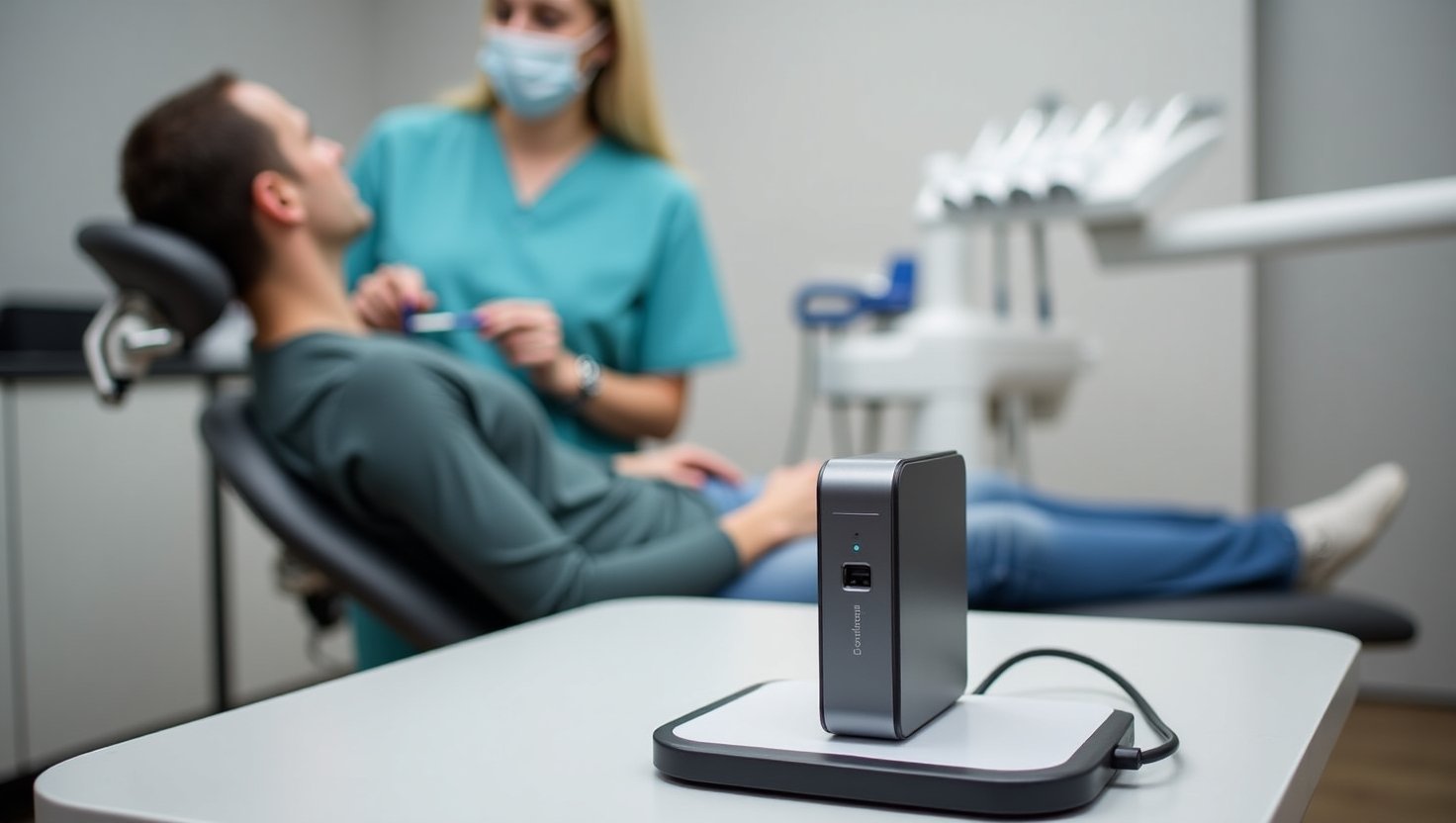

Implementation Tips for Dental Clinics on QuickSleeper5
Integrating the QuickSleeper5 system into daily dental practices requires careful planning and execution. Here are practical steps for dental clinics aiming to deploy this innovative anesthesia solution effectively:
1. Handling and Setup
- Training: Ensure that all staff members, including dentists and dental assistants, receive thorough training on the QuickSleeper5’s operation. Familiarity with the device’s software and hardware will enhance confidence and proficiency in its use.
- User Manual: Keep the QuickSleeper5 user manual accessible for reference during operations. This will guide personnel in handling any technical issues that may arise.
- Surgical Techniques: Consider conducting simulation sessions that focus on intraosseous anesthesia techniques. This prepares the team for real-life scenarios, aiding in seamless transitions during actual procedures.
2. Storage Conditions
- Temperature Control: Store the QuickSleeper5 device at recommended temperatures as specified by the manufacturer. Maintaining stable temperatures will preserve the device’s functionality and longevity.
- Clean Environment: Ensure that the storage area is clean and free from dust or contaminants. Regular checking and maintenance of storage conditions can prevent potential malfunctioning.
- Security: Create a secured area for the device to prevent unauthorized access, thereby safeguarding it against potential misuse or theft.
3. Regulatory Considerations
- Compliance: Stay updated with local regulations governing anesthesia administration in dental practices. Ensure that the use of the QuickSleeper5 aligns with these regulations to avoid legal complications.
- Documentation: Maintain accurate documentation outlining the use of the QuickSleeper5 for patient records, including indication, dosage, and procedure completed. This supports compliance and facilitates accountability.
- Continuous Education: Engage in continued education on changes or updates in regulations and best practices. This is vital in maintaining high standards of patient care and safety.
4. Patient Communication
- Informed Consent: Communicate effectively with patients regarding the advantages of using QuickSleeper5 for their anesthesia needs. Discuss its benefits, such as reduced collateral numbness and enhanced comfort during procedures.
- Pre-procedure Consultation: Encourage patients to express their concerns and questions about anesthesia. Addressing these prior to treatment can alleviate anxiety and improve their overall experience.
5. Feedback and Adaptation
- Post-Procedure Follow-up: Include a follow-up process to gather patient feedback on their experience with QuickSleeper5. Use this information to identify areas for improvement and to adapt practices accordingly.
- Staff Feedback: Encourage staff to share their experiences and suggestions regarding the QuickSleeper5’s operation. This fosters a collaborative environment, enhancing overall efficiency.
Following these implementation tips will ensure that dental clinics can make the most out of the QuickSleeper5, ultimately leading to improved patient care and enhanced practice efficiency.
FAQ Section on Dental Anesthesia
What is Dental Anesthesia?
Dental anesthesia refers to the use of medications to block sensation in specific areas of the mouth to ensure patients do not feel pain during dental procedures. It plays a crucial role in providing comfort and reducing anxiety associated with dental treatments.
How effective is the QuickSleeper5 compared to traditional methods?
The QuickSleeper5 delivers immediate intraosseous anesthesia directly into the cancellous bone, resulting in faster onset of action and reduced collateral numbness compared to traditional methods. Studies have shown it to provide comparable or better pain control while minimizing the discomfort associated with standard injection methods.
What is the difference between QuickSleeper5 and traditional local anesthesia?
While traditional local anesthetics often lead to collateral numbness and slower onset times, the QuickSleeper5 minimizes collateral numbness by targeting specific areas. This technology utilizes a computer-guided approach, enhancing precision and improving patient comfort during the procedure.
How does the QuickSleeper5 help in pain management?
The QuickSleeper5 improves pain management by providing a more comfortable experience with faster onset times and reduced numbness in unintended areas. This allows patients to retain more normal sensation during and after procedures, making dental visits less stressful.
Is the QuickSleeper5 safe for all patients?
While the QuickSleeper5 is generally considered safe for most patients, it is always essential for dental professionals to assess individual patient circumstances, including medical history and potential allergies, before administering anesthesia. Consultations can help determine the best anesthetic approach for each patient.
Can children benefit from the QuickSleeper5?
Yes, the QuickSleeper5 is particularly beneficial in pediatric dentistry, where reduced anxiety and immediate effects can significantly improve a child’s experience. Clinical trials have indicated that children receiving care with QuickSleeper5 often report less pain and quicker procedural times, making dental visits less daunting.
What should patients expect during a procedure with QuickSleeper5?
Patients can expect a quick onset of anesthesia, minimal discomfort from injections, and significantly reduced collateral numbness post-procedure. This results in a more natural recovery experience, allowing patients to resume normal activities promptly after dental work.
Is there a recovery process after anesthesia using QuickSleeper5?
There is generally minimal recovery time associated with the QuickSleeper5. Patients often experience less lingering numbness, allowing them to resume normal activities sooner than with traditional anesthesia methods. Dentists typically provide specific aftercare instructions based on the procedure performed.
Where can dental professionals learn more about the QuickSleeper5?
Dental professionals interested in learning more about the QuickSleeper5 can access resources through Dentalhitec Americas. This includes product details, clinical guidelines, and information on training programs.
Explore Innovative Anesthesia Solutions for Improved Patient Care
Are you ready to enhance your practice efficiency and elevate patient comfort? Dive into our range of cutting-edge products, including anesthesia delivery systems and the revolutionary QuickSleeper5. These state-of-the-art technologies are designed to provide effective pain management while addressing common concerns associated with traditional dental anesthesia techniques.
Why Explore These Products?
- Transform Your Practice: Implementing the QuickSleeper5 can drastically change your approach to anesthesia, minimizing patient anxiety and maximizing comfort.
- Increase Patient Satisfaction: Patients are more likely to return for necessary treatments when they experience less discomfort and minimal side effects, thus promoting better dental health outcomes.
- Stay Competitive: As the demand for advanced dental solutions increases, utilizing innovative anesthesia systems positions your practice at the forefront of modern dentistry.
Don’t wait any longer! Click here to discover how QuickSleeper5 and our anesthesia delivery systems can revolutionize your patient care approach today!
Explore Innovative Anesthesia Solutions for Improved Patient Care
Are you ready to enhance your practice efficiency and elevate patient comfort? Dive into our range of cutting-edge products, including anesthesia delivery systems and the revolutionary QuickSleeper5. These state-of-the-art technologies are designed to provide effective pain management while addressing common concerns associated with traditional dental anesthesia techniques.
Why Explore These Products?
- Transform Your Practice: Implementing the QuickSleeper5 can drastically change your approach to anesthesia, minimizing patient anxiety and maximizing comfort.
- Increase Patient Satisfaction: Patients are more likely to return for necessary treatments when they experience less discomfort and minimal side effects, thus promoting better dental health outcomes.
- Stay Competitive: As the demand for advanced dental solutions increases, utilizing innovative anesthesia systems positions your practice at the forefront of modern dentistry.
Don’t wait any longer! Click here to discover how QuickSleeper5 and our anesthesia delivery systems can revolutionize your patient care approach today!
Conclusion: The Future of Dental Anesthesia with QuickSleeper5
The QuickSleeper5 is revolutionizing the landscape of dental anesthesia, positioning itself as a critical innovation for the future of pain management in dentistry. By integrating advanced technology into the anesthesia delivery process, QuickSleeper5 not only enhances patient comfort through immediate intraosseous anesthesia but also minimizes the discomfort associated with traditional methods. This leads to a more pleasant experience for patients who, in turn, may be more willing to seek necessary dental treatments.
One of the remarkable benefits of the QuickSleeper5 is its ability to reduce collateral numbness, allowing patients to leave the dental chair without the unwanted residual tingle that is often associated with traditional anesthetic injections. Instead, they can speak, smile, and eat right away, fostering a more positive association with dental care.
For dental clinics, the adoption of the QuickSleeper5 is not merely a matter of upgrading equipment; it is an investment in the practice’s future. With the promise of shorter procedure times and increased patient throughput, clinics that embrace this cutting-edge technology can enhance their efficiency and provide better care. As noted in various studies, the QuickSleeper5 leads to fewer complications, optimizes scheduling, and converts anxious patients into advocates for their practices. This fundamentally transforms the dynamics of patient care in dentistry.
As you consider your clinic’s future, take the insights shared throughout this article into account and evaluate the potential of the QuickSleeper5. Every dental practice would benefit from considering this innovation, not just for the comfort of patients, but as a strategic move towards fulfilling the evolving needs of dental care. Embrace the future of dental anesthesia and explore the countless possibilities with QuickSleeper5 today.
For more detailed insights, do refer to the article by Dentistry Today, which elaborates on how the QuickSleeper5 sets a new standard in dental anesthesia. Don’t miss out on the opportunity to enhance your practice and your patients’ experiences!
Challenges Faced by Dental Clinics in Anesthesia
Dental clinics frequently encounter challenges related to anesthesia, particularly concerning patient anxiety toward traditional methods, collateral numbness from dental anesthesia, and the subsequent impact on patient attendance and overall health.
Patient Anxiety Toward Traditional Anesthesia Methods
A significant portion of patients experience anxiety related to dental procedures, especially concerning injections. Studies indicate that approximately 25% of individuals fear dental injections, leading to about 5% postponing necessary dental treatments. Dentistry IQ highlights that this anxiety can result in patients avoiding regular dental care, which may exacerbate oral health issues over time.
Collateral Numbness from Dental Anesthesia
Local anesthesia, while effective in pain management, often causes collateral numbness affecting areas beyond the treatment site, such as the lips, tongue, and face. This unintended numbness can persist for several hours post-procedure, leading to discomfort and functional limitations for patients. Additionally, some individuals may experience side effects like dizziness, mild confusion, or temporary muscle weakness. Environmental Literacy Council outlines these common collateral effects that patients face.
Impact on Patient Attendance and Overall Health
Dental anxiety and the discomfort associated with anesthesia side effects contribute to irregular dental attendance. Research has shown that individuals with high dental anxiety are more likely to avoid regular dental care, leading to deteriorating oral health. A study found that 62% of patients treated for dental fear attended regular dental appointments one year post-treatment, indicating that addressing dental anxiety can improve attendance rates. However, a significant proportion still did not maintain regular visits, underscoring the need for ongoing strategies to manage dental anxiety and its effects. For more insights, refer to the findings on PubMed.
In summary, dental clinics face challenges in managing patient anxiety related to anesthesia, addressing the side effects of local anesthetics, and encouraging regular dental attendance. Implementing strategies to alleviate anxiety and minimize discomfort can enhance patient experiences and promote better oral health outcomes.
Implementation Tips for Dental Clinics on QuickSleeper5
Integrating the QuickSleeper5 system into daily dental practices requires careful planning and execution. Here are practical steps for dental clinics aiming to deploy this innovative anesthesia solution effectively:
1. Handling and Setup
- Training: Ensure that all staff members, including dentists and dental assistants, receive thorough training on the QuickSleeper5’s operation. Familiarity with the device’s software and hardware will enhance confidence and proficiency in its use.
- User Manual: Keep the QuickSleeper5 user manual accessible for reference during operations. This will guide personnel in handling any technical issues that may arise.
- Surgical Techniques: Consider conducting simulation sessions that focus on intraosseous anesthesia techniques. This prepares the team for real-life scenarios, aiding in seamless transitions during actual procedures.
2. Storage Conditions
- Temperature Control: Store the QuickSleeper5 device at recommended temperatures as specified by the manufacturer. Maintaining stable temperatures will preserve the device’s functionality and longevity.
- Clean Environment: Ensure that the storage area is clean and free from dust or contaminants. Regular checking and maintenance of storage conditions can prevent potential malfunctioning.
- Security: Create a secured area for the device to prevent unauthorized access, thereby safeguarding it against potential misuse or theft.
3. Regulatory Considerations
- Compliance: Stay updated with local regulations governing anesthesia administration in dental practices. Ensure that the use of the QuickSleeper5 aligns with these regulations to avoid legal complications.
- Documentation: Maintain accurate documentation outlining the use of the QuickSleeper5 for patient records, including indication, dosage, and procedure completed. This supports compliance and facilitates accountability.
- Continuous Education: Engage in continued education on changes or updates in regulations and best practices. This is vital in maintaining high standards of patient care and safety.
4. Patient Communication
- Informed Consent: Communicate effectively with patients regarding the advantages of using QuickSleeper5 for their anesthesia needs. Discuss its benefits, such as reduced collateral numbness and enhanced comfort during procedures.
- Pre-procedure Consultation: Encourage patients to express their concerns and questions about anesthesia. Addressing these prior to treatment can alleviate anxiety and improve their overall experience.
5. Feedback and Adaptation
- Post-Procedure Follow-up: Include a follow-up process to gather patient feedback on their experience with QuickSleeper5. Use this information to identify areas for improvement and to adapt practices accordingly.
- Staff Feedback: Encourage staff to share their experiences and suggestions regarding the QuickSleeper5’s operation. This fosters a collaborative environment, enhancing overall efficiency.
Following these implementation tips will ensure that dental clinics can make the most out of the QuickSleeper5, ultimately leading to improved patient care and enhanced practice efficiency.